

A group of architecture students from the University at Buffalo unveiled a series of conceptual designs on Friday aimed at expanding Buffalo’s Metro Rail system, with a particular emphasis on a potential extension stretching from the city’s central business district to the Buffalo Niagara International Airport and Transit Road.
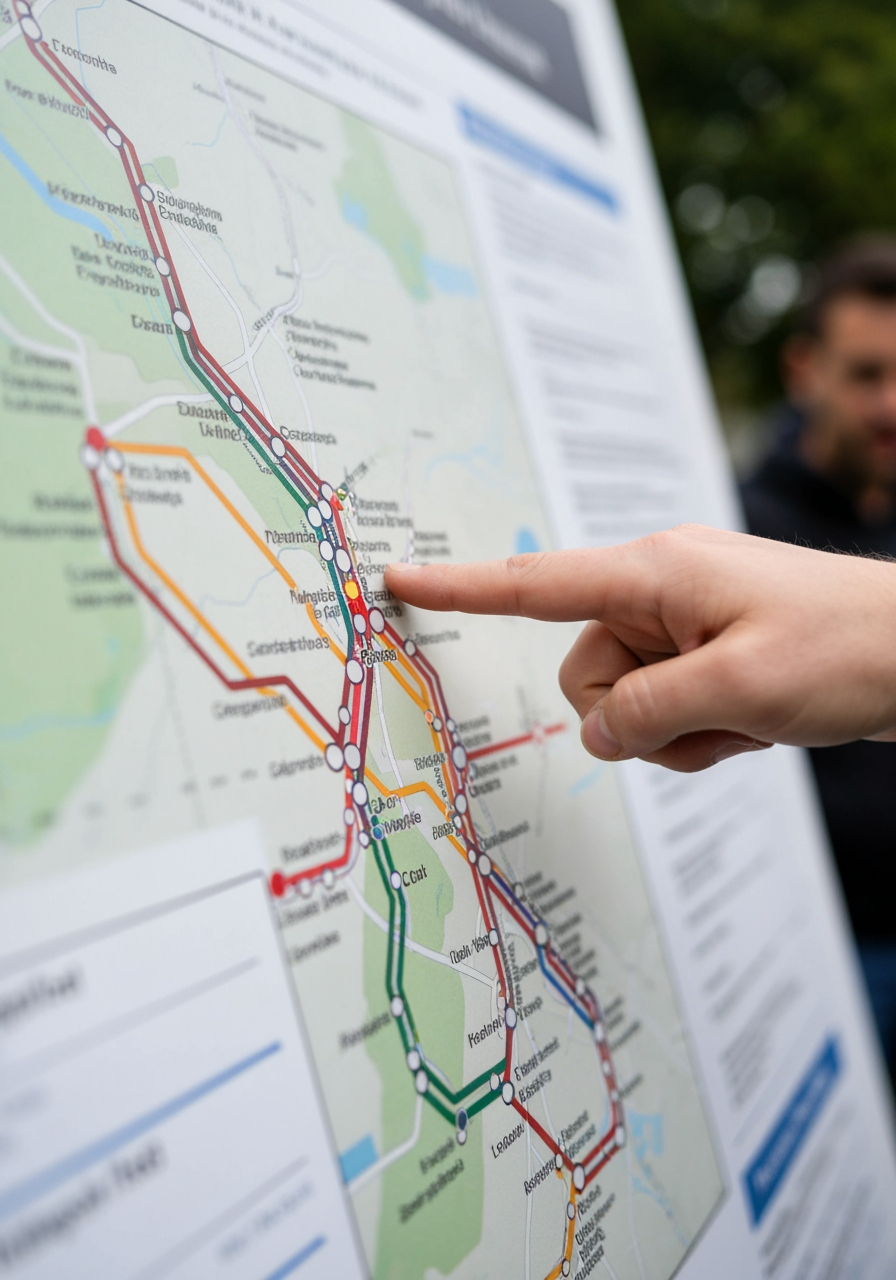
The presentation, held in Buffalo, brought together students, transportation advocates, and university faculty to examine the feasibility and vision behind extending the region’s light rail infrastructure. The proposals explored not only the physical layout of the new route—including four proposed stations—but also the architectural and logistical challenges of such an undertaking.
The initiative is rooted in a broader effort to spark public interest and build momentum for more formal feasibility studies into Metro Rail expansion. According to Jim Gordon of Citizens for Regional Transit, while the student proposals are still in the early conceptual stages, they help frame what a future rail extension could look like and how it might serve the region’s growing transportation needs.
Brad Wales, an architecture faculty member at the University at Buffalo, noted that one of the key factors supporting the plausibility of expansion is the availability of existing railroad rights of way. These corridors could potentially be repurposed for light rail use, reducing the need for entirely new infrastructure and helping to keep costs manageable.
The idea of extending the Metro Rail to the airport has long been discussed as a way to improve regional connectivity and stimulate economic development. The students’ designs included considerations for station placement, integration with current transit systems, and the potential to serve both residential and commercial areas along the proposed route.
To provide context, the presentation also referenced the experience of other cities undertaking similar projects. For instance, Seattle’s recent light rail extension cost approximately $7 billion for just 3.5 miles of track—highlighting the financial scale that such infrastructure projects can reach.
While the proposals from the University at Buffalo students are not official plans, they represent a thoughtful exploration of what a future Metro Rail expansion might entail. Supporters hope that such academic exercises will lay the groundwork for more formal planning efforts and public dialogue.
For now, the proposals serve as a starting point for community and governmental discussions, with no immediate construction plans in place. The conversation around the Metro Rail’s future continues, as stakeholders weigh the benefits, costs, and logistics of expanding Buffalo’s transit network.








Leave A Comment