
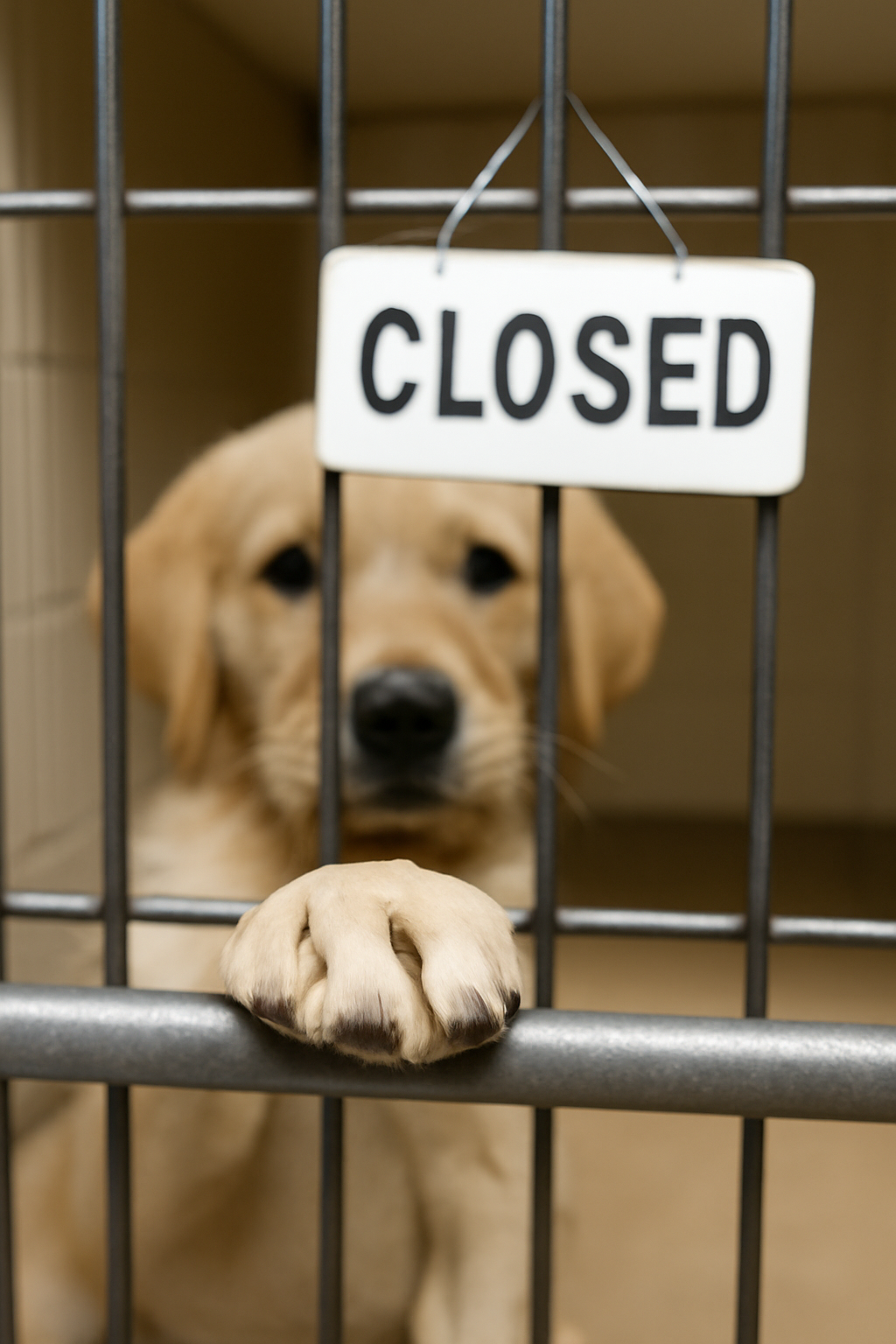
In a significant move to strengthen animal welfare protections across California, Governor Gavin Newsom today signed a series of new laws aimed at curbing abusive pet practices and increasing transparency in the pet trade. The legislation targets issues ranging from puppy mills to fraudulent pet sales, and introduces stricter regulations on pet health disclosures and the practice of cat declawing.
The legislative package, crafted with support from State Senator Thomas Umberg and the California Department of Food & Agriculture, is designed to close loopholes that have allowed unethical breeding and sales practices to persist. The measures include a ban on declawing cats unless deemed medically necessary, and new requirements for pet sellers to clearly disclose the origin and health status of animals being sold.
One of the most notable provisions prohibits third-party pet brokers from selling certain types of animals, a move intended to disrupt the business model of large-scale commercial breeders often associated with substandard conditions. In addition, individuals or businesses importing dogs into California must now submit electronic health certificates within 10 days of shipment, ensuring better tracking and oversight of animal health.
“These new laws increase transparency and accountability in pet sales,” Governor Newsom stated, emphasizing the state’s commitment to both animal welfare and consumer protection.
The legislation also includes a major financial investment in local animal care infrastructure. A $50 million allocation has been designated for the Animal Shelter Assistance Program, which is administered by UC Davis. This funding is expected to enhance shelter services and support humane care for animals across the state.
By targeting both the supply chain and sales practices of the pet industry, California officials aim to protect prospective pet owners from deceptive practices while ensuring animals are treated humanely from birth to adoption.
With the legislation now in effect, enforcement will fall to state and local agencies, while pet sellers and importers will be required to comply with the new standards immediately.







Leave A Comment