
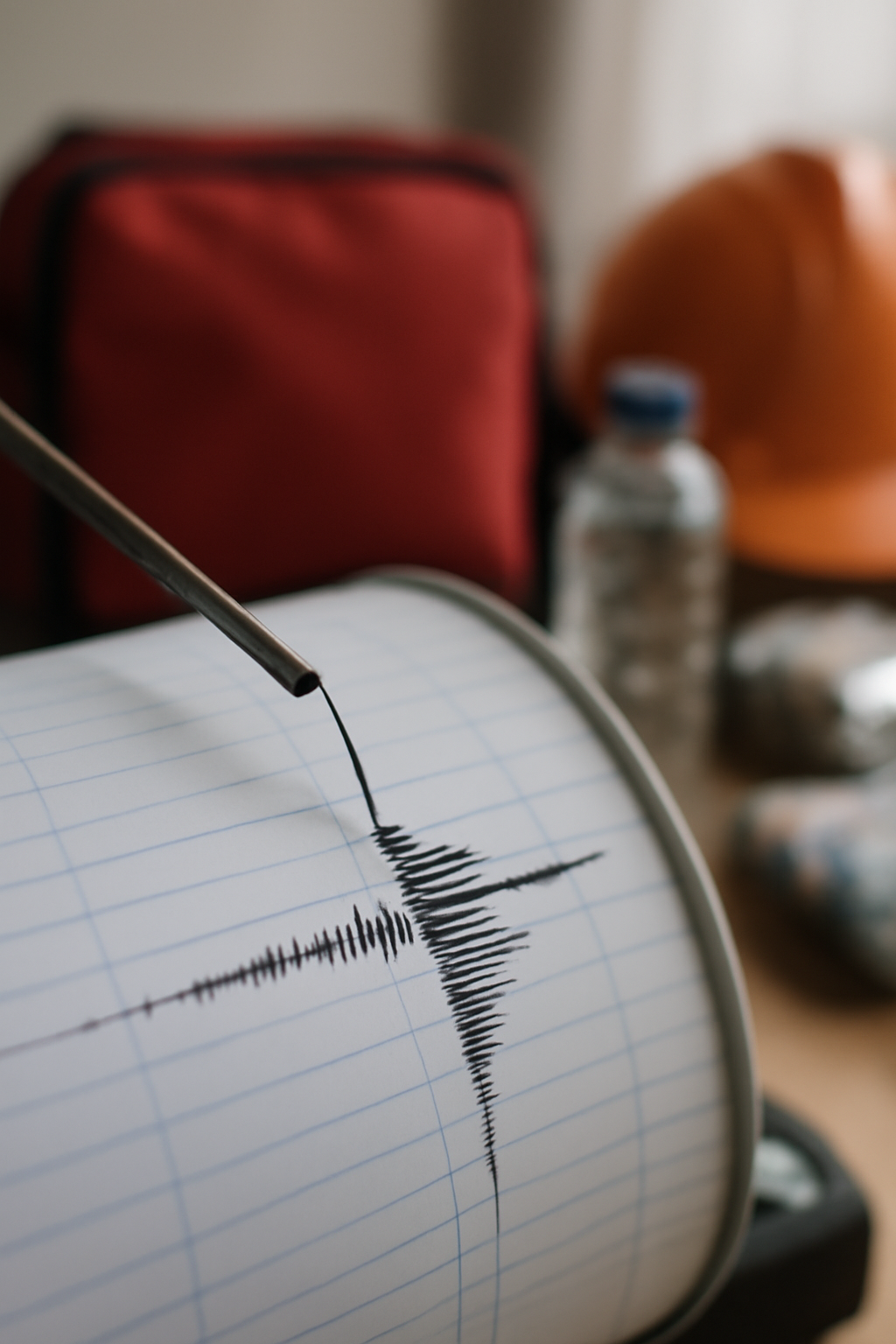
Scientists and geologists are raising the alarm after discovering that two significant fault lines along the West Coast of the United States are now synchronized—an unusual geological development that could signal the potential for a major earthquake.
According to experts monitoring seismic activity in the region, the synchronization of these fault lines suggests a heightened risk of a large-scale quake. While the exact timing of any seismic event remains uncertain, the alignment of fault movement is a notable and concerning indicator for those studying earthquake patterns.
The West Coast, home to several active fault zones including the well-known San Andreas Fault, has long been susceptible to seismic activity. However, the current findings point to a rare alignment in behavior between two major fault lines, which scientists say could amplify the potential energy released during a future earthquake.
Geologists have not specified which fault lines are involved, but emphasized that the synchronization means both are moving in a coordinated pattern. This could increase the likelihood of simultaneous or cascading fault ruptures, potentially leading to a more powerful and widespread event than if the faults were acting independently.
While no immediate earthquake has been reported, scientists stress the importance of preparedness. The development underscores the critical need for residents, municipalities, and emergency management agencies along the West Coast to review and reinforce their earthquake readiness plans.
At this time, researchers continue to monitor the situation closely, gathering more data to assess the implications of this synchronization. Public safety officials are urging communities in the region to stay informed and ensure they are equipped with emergency supplies and evacuation plans, should seismic activity occur.







Leave A Comment